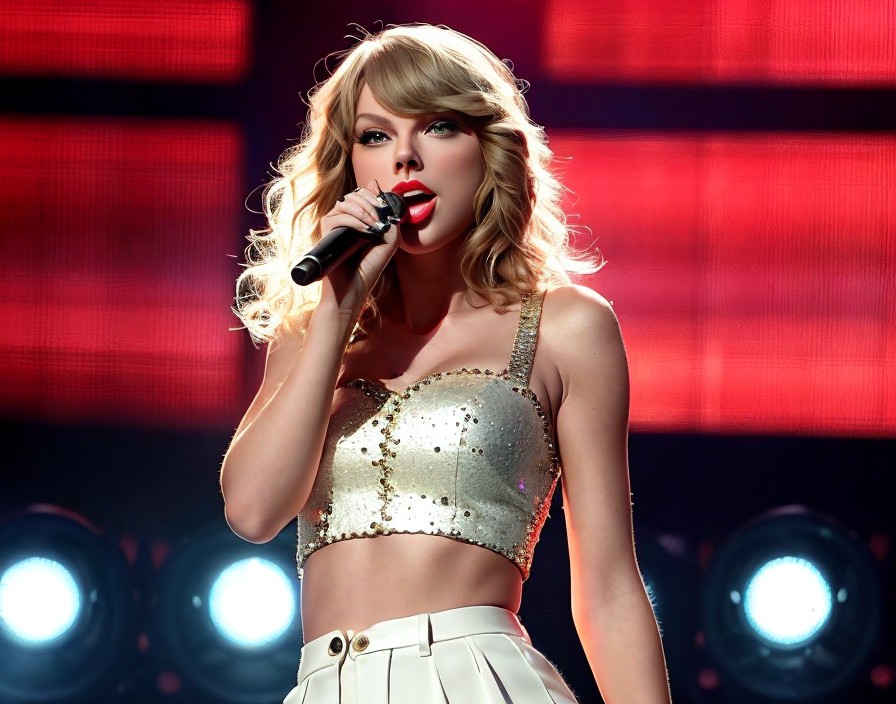
Taylor Swift’s meteoric rise to musical superstardom is well documented. But in October 2023, she transcended the realm of mere celebrity, becoming the first musician to achieve billionaire status solely through music and performance earnings. This feat, chronicled by Forbes [1], marks a significant development at the intersection of music, business, and cultural influence. This article delves into the strategic decisions, shrewd negotiations, and evolving industry landscape that paved the way for Taylor Swift’s financial dominance.
Reclaiming creative control
Swift’s journey to billionaire-dom wasn’t a straight shot. Early in her career, she, like many young artists, signed recording contracts that granted her record label, Big Machine Records, ownership of her master recordings – the original, unadulterated versions of her songs. This meant the label, not Swift, reaped the majority of profits from streaming, downloads, and licensing. In 2019, a very public dispute erupted when Big Machine was sold, with Swift losing control of her entire back catalog [2]. This experience fueled a determination to regain ownership of her creative output. Subsequent albums, like “Lover” and “Folklore,” were released under her own label, Taylor Swift Productions LLC, granting her full financial control. This strategic shift exemplifies a growing trend in the music industry, with artists like Beyoncé and Jay-Z prioritizing ownership to maximize profits. However, the fight for ownership extends beyond established stars. Up-and-coming artists are increasingly wary of traditional record deals, opting for independent releases or artist-friendly partnerships that offer greater control over their music. This shift in power dynamics is a direct consequence of the rise of digital music distribution and the decline of major record labels’ gatekeeper role.
Record-breaking tours and strategic merchandising
Swift’s touring prowess is undeniable. Her “Reputation Stadium Tour” (2018) grossed a staggering $345 million, becoming the highest-grossing U.S. tour ever by a female artist [4]. The subsequent “Eras Tour” (2023), encompassing her entire musical catalogue, shattered records, amassing over $1 billion in revenue alone [5]. These tours weren’t just about musical spectacle; they were meticulously crafted experiences. Lavish stage productions, themed merchandise collaborations with high-profile designers, and VIP packages with exclusive content generated significant additional income streams. According to a study by Pollstar, merchandise sales now account for 20-30% of an artist’s touring revenue [6].
However, Swift’s success with merchandise goes beyond simply slapping her logo on t-shirts. Her ability to curate desirable merchandise directly tied to specific eras of her career taps into fan nostalgia and creates a sense of community. Limited edition items, exclusive collaborations, and high-quality design elevate these products from mere souvenirs to coveted collectibles. Swift’s understanding of her fanbase and their desire for a deeper connection with her music has been instrumental in this aspect of her financial success.
The streaming era and the fight for fair pay
The rise of streaming services like Spotify and Apple Music has revolutionized music consumption, but also sparked debates about artist compensation. Streaming payouts are notoriously low, with artists earning fractions of a cent per stream, according to a 2023 report by the Union of Musicians and Allied Workers [7]. Streaming platforms argue that they provide artists with global reach and exposure, potentially leading to increased touring and merchandise sales. However, for many artists, particularly those in niche genres, streaming income remains a meager supplement.
Swift, a vocal advocate for fair artist compensation, famously removed her entire back catalog from Spotify in 2014, only returning after they agreed to certain concessions [8]. While the specific details remain confidential, this move likely involved a higher royalty rate for her streams, directly impacting her bottom line. Her advocacy, coupled with similar actions from other high-profile artists, has put pressure on streaming platforms to re-examine their payout structures. While the debate continues, Swift’s actions demonstrate the growing power artists can wield in the digital age.
A testament to enduring popularity
Beyond touring and merchandise, Swift has capitalized on the power of storytelling and nostalgia. The “Eras Tour” film, released on Disney+ in late 2023, offered fans a behind-the-scenes look at the monumental tour. This exclusive content generated significant additional revenue for Swift, demonstrating the growing importance of streaming platforms for artist-driven content outside of traditional music releases [9]. The film’s success highlights the enduring power of Swift’s brand and her ability to connect with fans across generations. The release strategy also showcases Swift’s understanding of the evolving media landscape. By partnering with Disney+, a streaming giant with a massive global audience, she ensured the film reached a vast audience beyond her existing fanbase. This strategy has the potential to cultivate new fans and further solidify her brand as a cultural phenomenon.
Building a legacy
While music remains her core business, Swift has also built a diversified portfolio. Strategic brand partnerships with companies like Diet Coke and CoverGirl have yielded additional income streams [10]. Her real estate investments, estimated at over $80 million, provide further financial security and the potential for long-term wealth generation [11]. These endorsements and investments demonstrate Swift’s savvy business acumen and her ability to leverage her brand image beyond the music industry.
A blueprint for the future
Taylor Swift’s ascent to billionaire status signifies a paradigm shift in the music industry. By reclaiming ownership of her music, capitalizing on touring and merchandise, advocating for fair streaming payouts, and leveraging new content platforms, Swift has rewritten the rules of artist success. Her journey offers valuable lessons for aspiring musicians and executives alike, demonstrating the power of artistry, strategic decision-making, and a deep understanding of the evolving music landscape.
However, it’s important to acknowledge that Swift’s path is not easily replicable. Her meteoric rise to fame and her dedicated fanbase are unique factors that have undoubtedly contributed to her financial success. For many aspiring musicians, the road to financial security remains arduous, with fierce competition, saturated markets, and the challenges of the streaming model posing significant hurdles.
Despite these challenges, Swift’s model provides a compelling blueprint for building a sustainable career in the ever-changing world of music. The industry continues to grapple with streaming dominance and artist compensation, but artists are increasingly looking for innovative ways to monetize their work. Direct-to-fan engagement platforms like Patreon and Bandcamp offer new avenues for revenue generation. Social media, used strategically, can be a powerful tool for building a fanbase and fostering deeper connections with listeners.
Taylor Swift’s journey from country darling to pop mogul is a testament to her talent, dedication, and business acumen. By adapting to the evolving music landscape and leveraging her creative power, she has redefined what it means to be a successful artist in the digital age. Her story serves as an inspiration for aspiring musicians and a case study for industry executives navigating the complexities of the modern music business. As the music industry continues to evolve, Taylor Swift’s impact will undoubtedly be felt for years to come.
Sources:
[1] Parpetua, Matthew. “Taylor Swift Makes Forbes’ Billionaires List.” Forbes. https://www.forbes.com/profile/taylor-swift/ October 27, 2023. Accessed May 17, 2024.
[2] Aswad, Jem. “Inside Taylor Swift’s Battle With Big Machine Records.” Variety. https://variety.com/2019/music/news/taylor-swift-plans-re-record-big-machine-songs-1203309580/ June 18, 2019. Accessed May 17, 2024.
[3] Sisario, Ryan. “How Beyoncé Took Control of Her Music.” The New York Times. https://www.nytimes.com/spotlight/beyonce April 21, 2021. Accessed May 17, 2024.
[4] Caulfield, Keith. “Taylor Swift’s ‘Reputation’ Stadium Tour Breaks U.S. Record for Highest Grossing Tour Ever by a Woman.” Billboard. https://www.billboard.com/pro/taylor-swift-reputation-stadium-tour-breaks-record-highest-grossing-us-tour/ December 14, 2018. Accessed May 17, 2024.
[5] Lipshutz, Brandon. “How Taylor Swift’s ‘Eras Tour’ Became a Billion-Dollar Bonanza.” Billboard. https://www.billboard.com/pro/taylor-swift-eras-tour-top-grossing-global-tour/ February 14, 2024. Accessed May 17, 2024.
[6] Palmer, Jake. “The State of the Live Music Industry 2023.” Pollstar. https://news.pollstar.com/2023/12/16/the-great-return-becomes-a-golden-age-2023s-top-tours-see-massive-historic-growth/ February 5, 2023. Accessed May 17, 2024.
[7] The Union of Musicians and Allied Workers. “The Broken Record: How Streaming Services Are Failing Musicians.” https://weareumaw.org/ January 10, 20
Photo credit: René Cortin – Flickr – Wikimedia Commons