

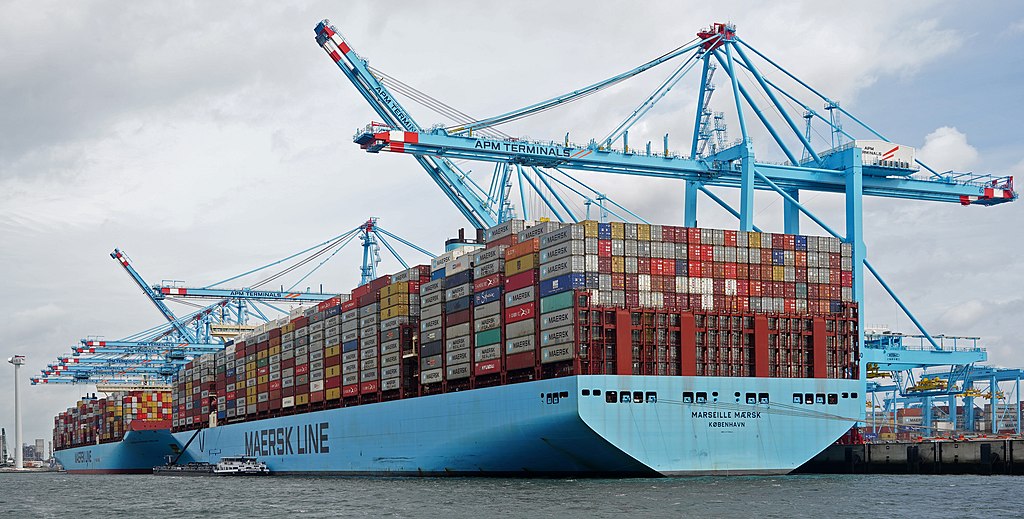
Charting a course in turbulent waters
The Middle East, a vital crossroads for global trade for centuries, has become an increasingly complex landscape for shipping companies in recent years. The current geopolitical climate, characterized by heightened tensions, ongoing conflicts, and the ever-present threat of disruptions, presents a significant challenge for Maersk, the world’s largest container shipping line. This article delves into the obstacles Maersk faces in the region and analyzes the multifaceted strategies it’s deploying to navigate these turbulent waters.
Beyond the chokepoints
The Middle East’s strategic location makes it a critical transit point for roughly 30% of the world’s containerized cargo traffic, according to a 2022 report by Statista. Key chokepoints like the Suez Canal and the Strait of Hormuz handle a significant portion of global trade, making them vulnerable to disruptions that can have cascading effects on global supply chains. Political instability, as exemplified by the ongoing conflicts in Yemen and Syria, further complicates the picture. The ever-present threat of piracy in the Red Sea and the Gulf of Aden, despite a decline in reported incidents according to the International Maritime Bureau’s 2023 report, necessitates additional security measures and raises insurance costs.
Beyond immediate security concerns, Maersk grapples with the indirect effects of regional tensions. The ongoing dispute between Iran and the West continues to disrupt energy markets, impacting fuel costs – a significant expense for shipping companies. Additionally, rising geopolitical tensions can lead to trade restrictions and sanctions, creating logistical nightmares and hindering smooth cargo movement. For instance, recent sanctions imposed on Russia have resulted in port congestions and rerouting of vessels, highlighting the ripple effects of geopolitical events.
A multi-pronged approach
Maersk isn’t sitting idly by. The company employs a multi-pronged approach to mitigate risks and ensure operational continuity in the Middle East. Here’s a closer look at some key strategies:
- Diversification of routes and ports: Maersk actively seeks alternative routes and ports to lessen dependence on potential flashpoints. Investing in African ports like Mombasa and Djibouti offers options to bypass the Suez Canal in case of disruptions. Additionally, the company explores land routes for specific cargo movements, enhancing flexibility. For example, Maersk could leverage the growing network of rail connections across the Middle East and Central Asia to move cargo overland, reducing reliance on sea routes.
- Digitalization for enhanced visibility and risk management: Maersk leverages advanced technology to gain real-time visibility into potential disruptions. Utilizing AI-powered route optimization tools and robust data analytics platforms, the company can anticipate delays caused by weather events, political unrest, or piracy attempts. This allows for proactive rerouting of vessels, minimizing downtime and ensuring cargo arrives on schedule. Additionally, Maersk can integrate real-time security data feeds into its systems, enabling them to identify high-risk areas and adjust routes accordingly.
- Strategic partnerships and collaborations: Maersk recognizes the value of collaboration in navigating the Middle East’s complexities. Partnering with regional players like Dubai Ports World allows for a deeper understanding of local dynamics and facilitates smoother port operations. Maersk can leverage its partner’s expertise in navigating local regulations and customs procedures, streamlining the movement of cargo. Additionally, Maersk collaborates with security firms to implement robust risk mitigation strategies and ensure crew safety. These partnerships can also extend to collaborating with government agencies to enhance information sharing and improve overall maritime security in the region.
- Focus on agility and adaptability: Maersk understands that the situation in the Middle East is fluid. The company fosters a culture of agility within its operations, allowing for swift adaptation to changing circumstances. This involves empowering regional teams to make quick decisions based on real-time information while maintaining alignment with broader strategic objectives. A decentralized decision-making structure allows Maersk to respond effectively to unforeseen disruptions and capitalize on emerging opportunities.
Balancing risk and reward
The Middle East, despite its challenges, remains a crucial market for Maersk. The region is projected to witness significant economic growth in the coming years, fueled by infrastructure development and diversification efforts. According to a McKinsey & Company report, containerized trade through the Middle East will grow at an annual rate of 4.8% between 2023 and 2030. This translates to potential growth opportunities for Maersk, provided it can navigate the current complexities.
Looking ahead, Maersk’s success will hinge on its ability to continuously refine its strategies. Continued investment in digitalization for enhanced visibility and risk management, fostering strong regional partnerships for on-the-ground expertise, and maintaining a culture of agility will be paramount. By proactively managing risks and capitalizing on opportunities, Maersk cannot only weather the current storm but also emerge stronger in the ever-evolving geopolitical landscape of the Middle East.
A cautiously optimistic future
The future of the Middle East remains uncertain, with frequent geopolitical tensions posing a constant threat to stability. However, there are also reasons for cautious optimism. Recent diplomatic efforts offer a glimmer of hope for de-escalation in some regions. Additionally, the increasing focus on economic diversification in several Middle Eastern countries could lead to a more stable and prosperous future.
For Maersk, navigating the Middle East in the coming years will require a delicate balancing act. The company must prioritize the safety of its crew and cargo while ensuring operational efficiency and cost-effectiveness. By maintaining a data-driven, collaborative, and agile approach, Maersk cannot only survive but also thrive in this challenging yet dynamic region.
The success of Maersk’s strategies will have a ripple effect on the global economy. A stable and efficient maritime shipping industry in the Middle East is crucial for ensuring the smooth flow of goods around the world. By mitigating risks and ensuring reliable cargo movement, Maersk can contribute to global economic stability and growth.
In conclusion, Maersk’s journey through the Middle East’s geopolitical minefield serves as a case study in navigating complex global challenges. The company’s success in this region will not only determine its own future but also play a role in shaping the broader landscape of global trade. As the world watches with a keen eye, Maersk’s ability to adapt and overcome these challenges will be a testament to its resilience and its commitment to connecting and driving global commerce.
Photo credit: kees torn, CC BY-SA 2.0, via Wikimedia Commons

.jpg)