“Transforming our food systems is not just necessary to achieve the Sustainable Development Goals, it is a powerful tool to address the climate crisis,” implored António Guterres, Secretary-General of the United Nations. As the world grapples with the escalating climate crisis and a burgeoning population, the need for a sustainable and efficient agricultural sector has never been more pressing. Traditional farming practices, while instrumental in feeding billions, often come at a high environmental cost, contributing to deforestation, water scarcity, and greenhouse gas emissions.
Fortunately, a new wave of technological advancements and innovative trends is transforming the agricultural landscape. By harnessing the power of data, automation, and precision techniques, farmers are embracing a future where sustainability and productivity go hand-in-hand. This article delves into these emerging trends, exploring their potential to reshape the global food system and mitigate the environmental impact of agriculture.
Data-driven decisions for sustainable yields
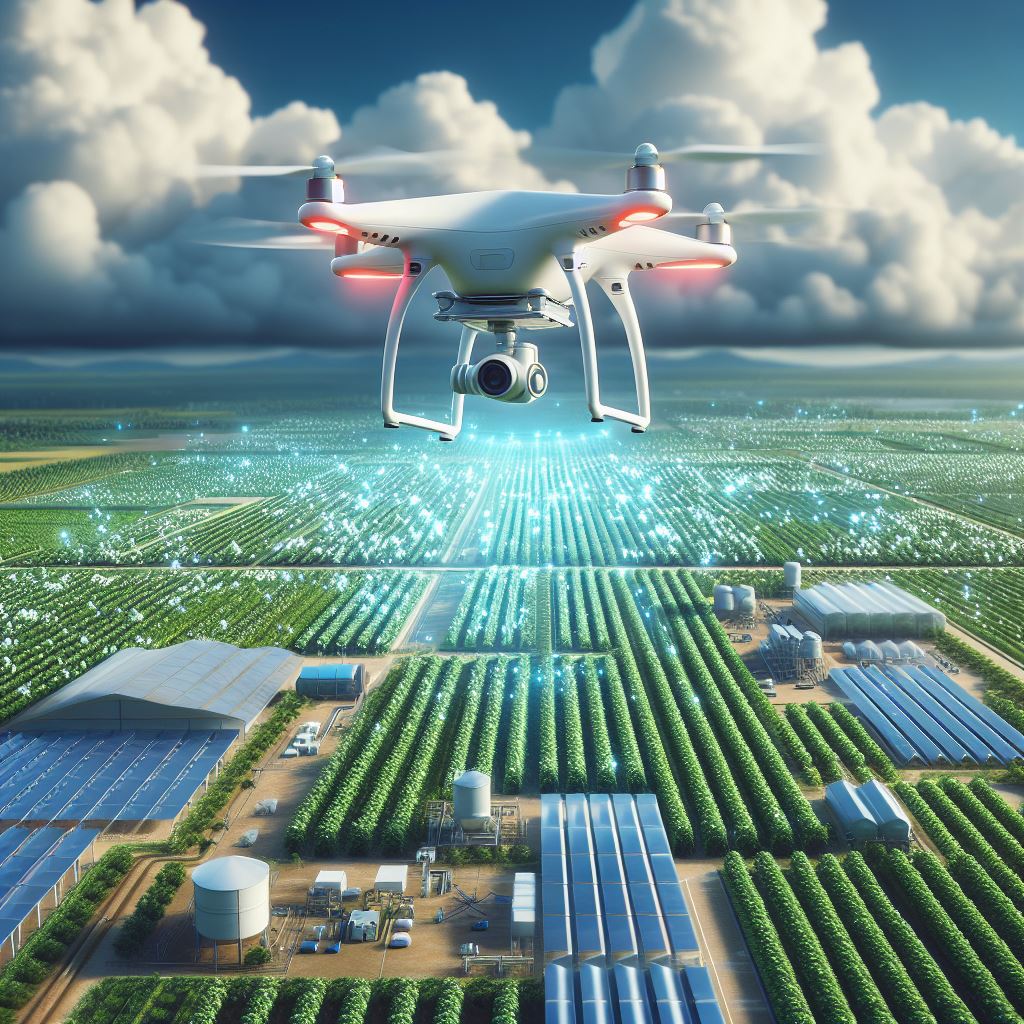
At the heart of this agricultural revolution lies the concept of precision agriculture. This approach leverages a suite of technologies, including sensors, drones, and the Internet of Things (IoT), to collect real-time data on various aspects of the farm environment. Soil moisture levels, nutrient composition, and crop health can all be meticulously monitored, empowering farmers to make data-driven decisions that optimize resource use and maximize yields.
For instance, smart irrigation systems equipped with soil moisture sensors can precisely deliver water directly to the root zone of plants, minimizing water waste – a crucial consideration in regions facing drought conditions. A 2023 study published in the journal, Precision Agriculture, revealed that farms utilizing these systems achieved a staggering 30% reduction in water consumption while maintaining crop yields.
Similarly, drones equipped with multispectral imaging can detect nutrient deficiencies and identify early signs of pest or disease outbreaks within fields. Armed with this granular information, farmers can implement targeted interventions, such as applying fertilizers only to areas in need or deploying targeted biopesticides, significantly reducing reliance on broad-spectrum chemical applications.
Optimizing processes and mitigating risks
Artificial intelligence (AI) is rapidly finding its place in the agricultural toolbox. By analyzing vast datasets on weather patterns, soil conditions, and historical yields, AI algorithms can generate predictive models that advise farmers on optimal planting times, fertilizer application rates, and potential pest threats. This not only enhances resource efficiency but also allows for proactive risk management, helping farmers adapt to changing weather patterns and mitigate potential crop losses.
Furthermore, AI-powered image recognition software coupled with machine learning is being employed to automate tasks like weed and pest identification. This technology can distinguish between crops and unwanted plants, enabling targeted weed removal through the use of robotic weeders or localized herbicide application through AI-controlled sprayers. A 2022 report by the World Economic Forum estimates that AI-powered weed control solutions have the potential to reduce herbicide use by up to 90%, drastically minimizing the environmental impact of chemical weed control.
Regenerative practices for a healthy planet
Beyond the realm of high-tech solutions, a renewed focus on regenerative agricultural practices is gaining momentum. Agroecology, a holistic approach that mimics natural ecosystems, emphasizes soil health and biodiversity promotion. Practices like cover cropping, crop rotation, and the integration of livestock can significantly improve soil fertility, increase water retention capacity, and sequester carbon dioxide from the atmosphere.
A 2020 study published in the journal Nature Sustainability found that implementing regenerative agricultural practices across just 10% of global cropland could potentially offset the annual greenhouse gas emissions from the entire global transportation sector. This approach not only addresses climate change but also fosters a more resilient agricultural system, less susceptible to weather extremes and pest outbreaks.
Vertical farms and indoor agriculture
Looking ahead, innovative farming methods like vertical farming and indoor agriculture hold immense promise for a more sustainable future. These controlled-environment systems utilize hydroponics or aeroponics techniques to grow crops in vertically stacked layers within buildings or warehouses. This approach drastically reduces land and water usage compared to traditional open-field farming. Additionally, vertical farms can be located closer to urban centers, minimizing transportation costs and associated emissions.
While the initial investment costs for these systems can be high, advancements in LED lighting technology and automation are driving down operational expenses. A report by Grand View Research predicts that the global vertical farming market is expected to reach a staggering USD 18.23 billion by 2025, highlighting the burgeoning interest in this sustainable farming method.
Balancing innovation with equity
Despite the promise these advancements hold, significant challenges remain. The initial cost of adopting new technologies can be a barrier for small-scale farmers, potentially exacerbating existing inequalities within the agricultural sector. Additionally, ensuring equitable access to data and ensuring its responsible use for the benefit of all farmers is crucial. Investment in infrastructure, including reliable internet access in rural areas, is essential to bridge the digital divide and empower small-scale farmers to participate in the data-driven agricultural revolution.
Furthermore, fostering knowledge sharing and capacity building initiatives will be critical for widespread adoption of sustainable practices. Collaboration between research institutions, extension services, and farmers themselves can bridge the knowledge gap and ensure that these innovations reach those who need them most.
A sustainable future on our plates
The integration of technology and innovative practices offers a glimpse into a future where agriculture is not only productive but also environmentally responsible. By harnessing the power of data, automation, and regenerative practices, farmers are rewriting the narrative of food production. From precision irrigation to AI-powered pest control and the rise of vertical farming, these advancements have the potential to reshape the global food system, ensuring food security for a growing population while safeguarding the environment for generations to come.
However, navigating this transition requires a multifaceted approach. Addressing accessibility concerns, promoting knowledge sharing, and fostering responsible data use are essential for ensuring that these innovations benefit all stakeholders within the agricultural landscape. As we cultivate a greener future, it is imperative to embrace these advancements while fostering a more equitable and sustainable agricultural system that nourishes both people and the planet.